How Long Does It Take to Receive Employment Insurance (EI) Benefits?
After applying for Employment Insurance (EI), many Canadians want to know how long it will take before they receive their first benefit payment. Processing times depend on several factors, including when you apply, whether your application is complete and if Service Canada requires additional information.
This guide explains how long it typically takes to receive Employment Insurance benefits, what may affect processing times and what you can do if your payment is delayed.
How Long Does EI Processing Usually Take?
Service Canada aims to process most Employment Insurance applications within 28 calendar days. However, claims requiring additional review or missing information may take longer to complete.
| Application Status | Typical Processing |
|---|---|
| Complete online application | Usually within 28 days |
| Missing information | May take longer |
| Employer information pending | Processing may be delayed |
| Additional eligibility review | May require more time |
When Will You Receive Your First EI Payment?
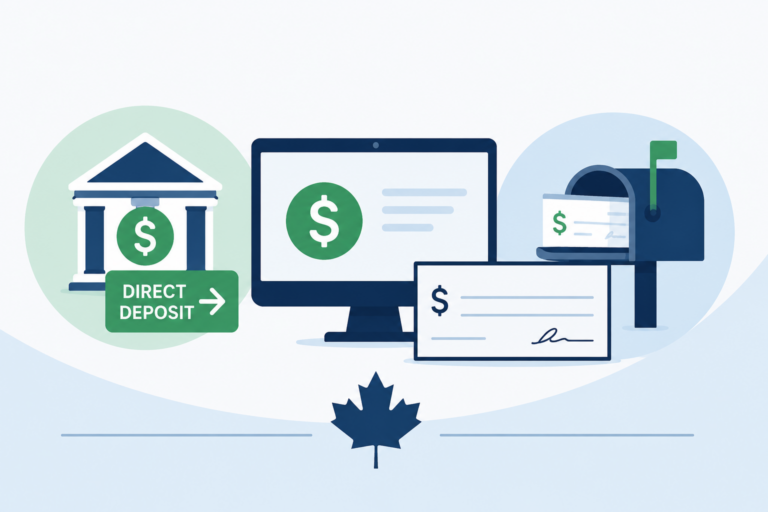
After your Employment Insurance claim has been approved, your first payment is generally issued after any applicable waiting period has been completed and your required claimant reports have been submitted. Payments are usually made by direct deposit or, if applicable, by cheque.
| Situation | First Payment |
|---|---|
| Claim approved | After eligibility requirements are met |
| Direct deposit | Usually the fastest option |
| Cheque payment | May take longer to arrive |
| Claimant reports submitted | Required for ongoing payments |
What Can Delay Your EI Benefits?
Several factors may delay your Employment Insurance claim or your first benefit payment. Providing complete information and submitting all required reports on time can help reduce unnecessary delays.
| Possible Cause | May Delay Processing? |
|---|---|
| Incomplete application | Yes |
| Missing Record of Employment (ROE) | Yes |
| Identity verification required | Yes |
| Additional eligibility review | Yes |
How Can You Check the Status of Your EI Claim?
If you have already applied for Employment Insurance, you can monitor the progress of your claim through My Service Canada Account (MSCA). The portal allows you to review your claim status, payment information and reporting requirements without contacting Service Canada.
| Method | Available? |
|---|---|
| My Service Canada Account (MSCA) | Yes |
| Contact Service Canada | Yes |
| Claim status updates | Yes |
| Payment history | Yes |
Will You Receive Retroactive EI Payments?
In some situations, eligible Employment Insurance claimants may receive retroactive benefit payments if their claim is approved after processing or if a payment adjustment is required. Eligibility depends on the rules of the Employment Insurance program and your individual circumstances.
| Situation | Retroactive Payment Possible? |
|---|---|
| Eligible claim approved later | Yes |
| Payment adjustment required | May apply |
| Administrative processing delay | May apply |
| Not eligible for benefits | No |
What Should You Do If Your EI Payment Is Late?
If your expected Employment Insurance payment has not arrived, first check the status of your claim, confirm that you submitted your claimant reports and verify your direct deposit information. If everything appears correct and your payment is still missing, contact Service Canada for assistance.
| Step | Recommended? |
|---|---|
| Check your claim status | Yes |
| Confirm claimant reports were submitted | Yes |
| Verify direct deposit information | Yes |
| Contact Service Canada | If needed |
Can You Speed Up the Processing Time?
Although there is no priority processing option for most EI claims, submitting a complete application, ensuring your employer has provided your Record of Employment (ROE) and responding promptly to any requests from Service Canada can help reduce delays.
| Action | May Help? |
|---|---|
| Apply as soon as you stop working | Yes |
| Ensure your ROE is available | Yes |
| Submit claimant reports on time | Yes |
| Respond quickly to Service Canada requests | Yes |
Tips for Receiving Your EI Benefits on Time
Taking a few simple steps before and after applying can help reduce the risk of delays and ensure your Employment Insurance benefits begin as quickly as possible.
- Apply as soon as you stop working or become eligible.
- Make sure your employer submits your Record of Employment (ROE).
- Complete your claimant reports by the required deadlines.
- Register for direct deposit.
- Monitor your claim through My Service Canada Account.
Can You Track Your EI Payments After Approval?
Yes. Once your Employment Insurance claim has been approved, you can use My Service Canada Account (MSCA) to review your payment history, check upcoming payments and monitor your claimant reports online.
| Feature | Available? |
|---|---|
| View payment history | Yes |
| Review upcoming payments | Yes |
| Manage direct deposit | Yes |
| View claimant reports | Yes |
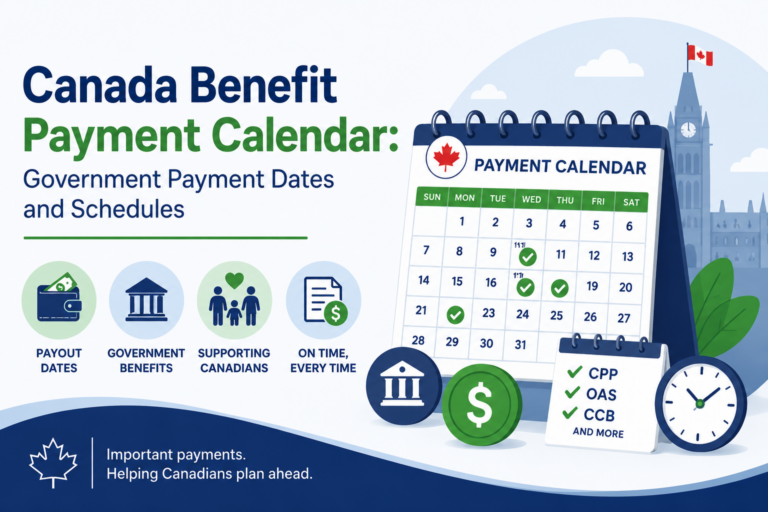
How Often Are EI Benefits Paid?
Unlike monthly pension programs such as CPP and OAS, Employment Insurance benefits are generally paid every two weeks after your claimant report has been processed and your eligibility has been confirmed.
| Payment Type | Typical Schedule |
|---|---|
| Employment Insurance benefits | Usually every two weeks |
| Direct deposit | Usually the fastest option |
| Cheque payments | Delivery may take longer |
| Retroactive payments | May differ |
What Happens If Your Claim Requires Additional Review?
Some Employment Insurance claims require additional review before a decision can be made. Service Canada may request further documentation, clarification or employer information before your claim can be finalized. Responding promptly can help reduce processing delays.
| Reason for Review | May Delay Processing? |
|---|---|
| Missing Record of Employment (ROE) | Yes |
| Incomplete application | Yes |
| Identity verification | Yes |
| Additional eligibility review | Yes |
Understanding EI Processing Times
Most Employment Insurance claims are processed within the Service Canada’s standard processing target when all required information has been received. However, delays may occur if supporting documents are missing or if additional eligibility reviews are necessary.
Applying as soon as you become unemployed, ensuring your Record of Employment is available and submitting your claimant reports on time are the best ways to receive your benefits as quickly as possible.
| Best Practice | Benefit |
|---|---|
| Apply immediately after stopping work | Start processing sooner. |
| Ensure your ROE has been submitted | Reduce unnecessary delays. |
| Complete claimant reports on time | Avoid payment interruptions. |
| Monitor your claim online | Track progress and payment status. |
Related Northbly Guides
- Employment Insurance (EI) Guide
- Employment Insurance Payment Dates
- My Service Canada Account (MSCA) Guide
- How to Change Your Direct Deposit for Government Benefits
- How to Change Your Address for Employment Insurance (EI)
- Canada Government Payment Dates
Frequently Asked Questions
How long does it usually take to receive Employment Insurance (EI) benefits?
Service Canada aims to process most Employment Insurance claims within approximately 28 calendar days when all required information has been received. Claims requiring additional review may take longer.
When will I receive my first EI payment?
Your first Employment Insurance payment is generally issued after your claim has been approved, any applicable waiting period has been completed and your first claimant report has been processed.
Can I check the status of my EI claim?
Yes. You can monitor your claim through My Service Canada Account (MSCA), where you can review your application status, payment information and claimant reports.
Why is my EI claim taking longer than expected?
Processing may take longer if your Record of Employment (ROE) has not been submitted, your application is incomplete, additional documents are required or Service Canada needs to conduct further eligibility reviews.
Will I receive retroactive EI payments?
Possibly. If your claim is approved after processing or an adjustment is required, you may receive retroactive Employment Insurance payments for benefits you were eligible to receive.
What should I do if my EI payment is late?
Check your claim status through My Service Canada Account, confirm that your claimant reports have been submitted, verify your direct deposit information and contact Service Canada if your payment is still missing.
Does direct deposit make EI payments faster?
Yes. Direct deposit is generally the fastest and most reliable way to receive Employment Insurance benefits because payments are deposited directly into your bank account once they are issued.
Can I speed up my EI claim?
There is no priority processing for most claims. However, applying promptly, ensuring your Record of Employment has been submitted and completing your claimant reports on time can help reduce unnecessary delays.
How often are Employment Insurance benefits paid?
Employment Insurance benefits are generally paid every two weeks after your claimant report has been processed and you continue to meet the program’s eligibility requirements.
Can I track my EI payments after my claim is approved?
Yes. My Service Canada Account allows you to view your payment history, review upcoming payments, monitor claimant reports and manage your direct deposit information.
Where can I find official information about EI processing times?
Service Canada publishes official information about Employment Insurance claims, payment schedules and processing times through the Government of Canada website.
Official Government Resources
For the latest information about Employment Insurance processing times and benefit payments, consult the official Government of Canada resources below.
- Employment Insurance (EI)
- My Service Canada Account (MSCA)
- Contact Service Canada – Employment Insurance
- Employment and Social Development Canada (ESDC)
Official Government Information
Employment Insurance is administered by Service Canada on behalf of the Government of Canada. Processing times, payment schedules and eligibility requirements may change over time. Always consult the official Government of Canada resources for the most up-to-date information before making financial decisions based on your EI claim.
Disclaimer
Northbly publishes independent informational content to help readers better understand Canadian government benefits, payment procedures and Employment Insurance programs. Although every effort is made to keep this guide accurate and up to date, government processes and requirements may change.
This article is provided for general informational purposes only and should not be considered legal, financial or employment advice. For questions about your Employment Insurance claim or your personal circumstances, contact Service Canada or a qualified professional.