Emergency Assistance Programs Guide: Financial Help and Crisis Support in Canada
Emergency assistance programs provide short-term financial help and essential support to Canadians facing an immediate crisis or unexpected hardship.
Depending on your circumstances and location, assistance may be available for food, housing, utility bills, essential expenses, natural disasters and other urgent needs.
This guide explains the main types of emergency support available in Canada, who may qualify and where to begin when you need help quickly.
Emergency Assistance Programs: Quick Summary
- Emergency assistance is available across Canada.
- Most programs provide temporary rather than ongoing support.
- Help may be available for housing, food, utilities and essential expenses.
- Provincial, territorial and municipal programs vary by location.
- Community organizations may provide additional crisis support.
- Eligibility is often based on income, assets and immediate need.
- Supporting documents may be required.
- Call 911 when there is an immediate threat to health or safety.
What Are Emergency Assistance Programs?
Emergency assistance programs provide temporary help to individuals and families who cannot meet essential needs because of an unexpected financial crisis.
These programs are not usually designed to replace regular income or long-term benefits. Their purpose is to help stabilize an urgent situation while the applicant looks for more permanent support.
What Types of Emergency Support Are Available?
| Program Type | Potential Support |
|---|---|
| Emergency Financial Assistance | Short-term help with essential living expenses. |
| Housing Assistance | Rent support, shelters or temporary accommodation. |
| Food Assistance | Food banks, grocery support and community meals. |
| Utility Assistance | Help with electricity, heating or water emergencies. |
| Disaster Financial Assistance | Support following floods, wildfires and other disasters. |
| Community Crisis Support | Local services, referrals and emergency supplies. |
Who May Qualify for Emergency Assistance?
Eligibility varies by program, but assistance may be available to people who:
- Do not have enough money for food, housing or essential expenses.
- Are facing eviction or homelessness.
- Have received a utility disconnection notice.
- Have experienced job loss or an unexpected loss of income.
- Are leaving an unsafe living situation.
- Have been affected by a flood, wildfire or other emergency.
- Do not have access to another source of immediate financial support.
Emergency Financial Assistance
Provincial and territorial governments may offer temporary financial assistance to people who cannot meet basic living needs.
Support may help cover essential expenses such as food, shelter, clothing, transportation or necessary medical items.
Applicants may need to demonstrate that they have limited income, few available assets and an immediate financial need.
Emergency Housing and Rent Support
Housing assistance may be available to individuals facing eviction, homelessness or an unsafe living situation.
Depending on the community, support may include:
- Emergency shelters.
- Temporary accommodation.
- Rent-bank assistance.
- Eviction-prevention programs.
- Help with rental arrears.
- Housing referrals and case management.
Emergency Food Assistance
Food banks, community centres, religious organizations and nonprofit agencies provide emergency grocery and meal assistance throughout Canada.
Many organizations can also connect visitors with housing, income, employment and family-support services.
Emergency Utility Assistance
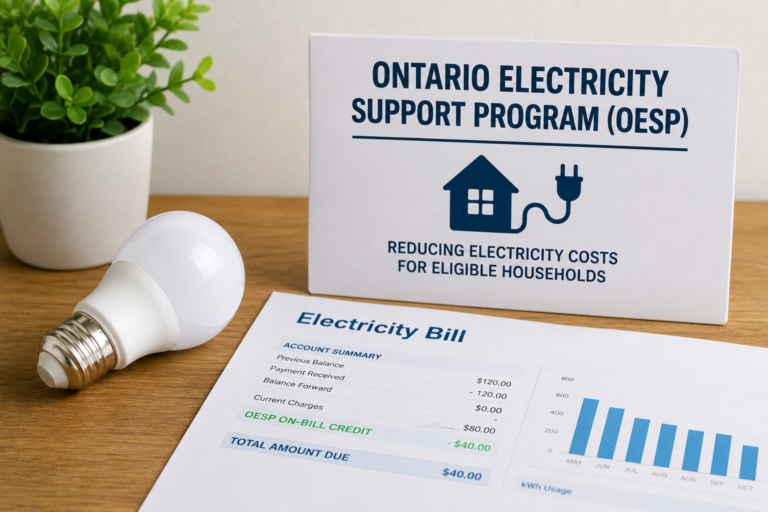
Households at risk of losing electricity, heating, natural gas or water service may qualify for emergency utility support.
Programs may provide a one-time payment, a repayment arrangement or a temporary suspension of disconnection.
Contacting the utility provider before service is disconnected may provide access to more options.
Disaster Financial Assistance
Provincial and territorial governments may establish disaster assistance programs following major floods, wildfires, storms or other qualifying emergencies.
Assistance may help cover certain essential losses that are not insured or cannot be recovered through another source.
Disaster programs normally have specific application periods, eligible expense rules and documentation requirements.
Support for People Leaving Unsafe Situations
Emergency shelters and community organizations may provide accommodation, transportation, food, counselling and practical support to people leaving violence or abuse.
When personal safety is at immediate risk, call 911 or contact a local emergency service.
How to Apply for Emergency Assistance
- Identify the most urgent need, such as food, housing or utilities.
- Contact your provincial, territorial or municipal social-services office.
- Explain your circumstances and immediate financial need.
- Gather the requested identity, income and expense documents.
- Submit the application as soon as possible.
- Ask whether additional community programs are available.
- Keep copies of all forms, notices and supporting records.
Documents You May Need
Programs may request documents such as:
- Government-issued identification.
- Social Insurance Number.
- Proof of address or residency.
- Bank account statements.
- Employment or income records.
- Rent or mortgage documents.
- Eviction or utility disconnection notices.
- Receipts or estimates for urgent expenses.
- Insurance documents for disaster-related applications.
How Quickly Can Emergency Assistance Be Approved?
Processing times depend on the program, the urgency of the situation and whether all required information has been provided.
Some organizations can provide food, shelter or crisis support immediately, while government financial assistance may require a formal eligibility review.
Can You Receive More Than One Type of Assistance?
Yes. Depending on program rules, an individual may receive support from government programs, food banks, housing organizations and community agencies at the same time.
However, applicants must disclose other assistance when requested and cannot normally receive duplicate reimbursement for the same expense.
Emergency Assistance Programs Frequently Asked Questions
What emergency financial help is available in Canada?
Assistance may include short-term income support, food programs, shelters, rent assistance, utility help and disaster financial assistance.
Are emergency programs available in every province?
Yes. However, program names, eligibility rules and available support vary by province, territory and municipality.
Can I receive emergency help if I am employed?
Possibly. Employment does not always prevent eligibility if your available income is insufficient to meet an urgent essential need.
Can emergency assistance help prevent eviction?
Some municipalities and community organizations offer rent banks, eviction-prevention services or emergency housing support.
Can I get help with a utility disconnection notice?
Potentially. Contact your utility provider and local social-services office as soon as possible to ask about emergency programs or payment arrangements.
Do I need to repay emergency assistance?
Some assistance is provided as a benefit, while other programs may offer loans or repayable support. Review the terms before accepting assistance.
Where should I go during an immediate emergency?
Call 911 when there is an immediate threat to life, health or personal safety. For other urgent needs, contact local social services, shelters or community crisis organizations.
Related Northbly Guides
- Food Support Programs Guide
- Rent Assistance Canada Guide
- Utility Rebates Canada Guide
- Canada Low Income Benefits Guide
Official Benefits and Emergency Support Information
Visit the Government of Canada benefits portal to explore federal assistance and find links to additional provincial and territorial support programs.
Explore Official Benefits and Assistance