Employment Insurance (EI) Payment Dates
Employment Insurance (EI) provides temporary financial support to eligible workers in Canada when they lose their job, are unable to work because of sickness, take maternity or parental leave, or qualify for other special benefits.
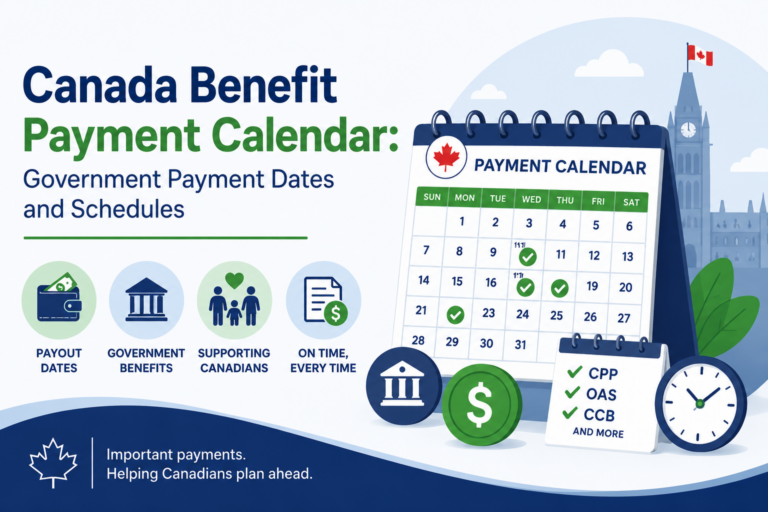
Unlike CPP, OAS or Canada Child Benefit, EI does not follow one fixed national payment calendar. Payments usually depend on your claim approval, your biweekly reports and Service Canada processing times.
Employment Insurance Payment Dates 2026: When Can You Expect Your EI Payment?
EI payment dates are not the same for every claimant. Your payment timing depends on when your application is approved, when you submit your reports, whether you use direct deposit and whether Service Canada needs additional information.
For many claimants, EI benefits are paid every two weeks after the required reports have been completed and processed. This means there is no single universal EI payment date like there is for monthly pension or child benefit programs.
Employment Insurance Payment Information
The table below shows how common EI benefit types are generally paid once a claim is active.
| Benefit Type | Typical Payment Schedule | Important Note |
|---|---|---|
| Regular EI Benefits | Usually every 2 weeks | Reports are normally required to continue receiving payments. |
| Sickness Benefits | Usually every 2 weeks | Payment timing may depend on medical leave and claim approval. |
| Maternity Benefits | Usually every 2 weeks | Payments begin after eligibility and claim details are processed. |
| Parental Benefits | Usually every 2 weeks | Standard or extended parental options may affect payment amounts. |
| Caregiving Benefits | Usually every 2 weeks | Claim details and supporting information may affect processing time. |
This table is for general information only. EI payment timing can vary depending on your individual claim, reports, direct deposit setup, weekends, holidays and Service Canada processing.
How EI Payments Work After You Apply
After applying for EI, Service Canada reviews your application, employment information and Records of Employment. If your claim is approved, you may need to submit reports every two weeks to show that you continue to meet the program requirements.
Canada.ca explains that EI reports are used to confirm ongoing eligibility and make sure claimants receive the benefits they are entitled to. Reports can usually be completed online or by phone.
Official Service Canada: After You Apply →What Can Delay an EI Payment?
Late Reports
If you do not submit your EI reports on time, your payment may be delayed or paused.
Missing Information
Service Canada may need more information about your employment, earnings or reason for separation.
Banking or Holiday Delays
Weekends, public holidays and bank processing times can affect when money appears in your account.
Who Is Eligible for Employment Insurance?
EI eligibility depends on several factors, including your employment history, insurable hours, reason for stopping work and whether you meet the specific requirements for the type of EI benefit you are applying for.
- You must have worked in insurable employment.
- You must have enough insurable hours to qualify.
- You may need to show that you are available and able to work, depending on the benefit type.
- You must submit accurate reports when required.
- You must report earnings, work hours and other required information while receiving EI.
How to Receive EI Payments Faster
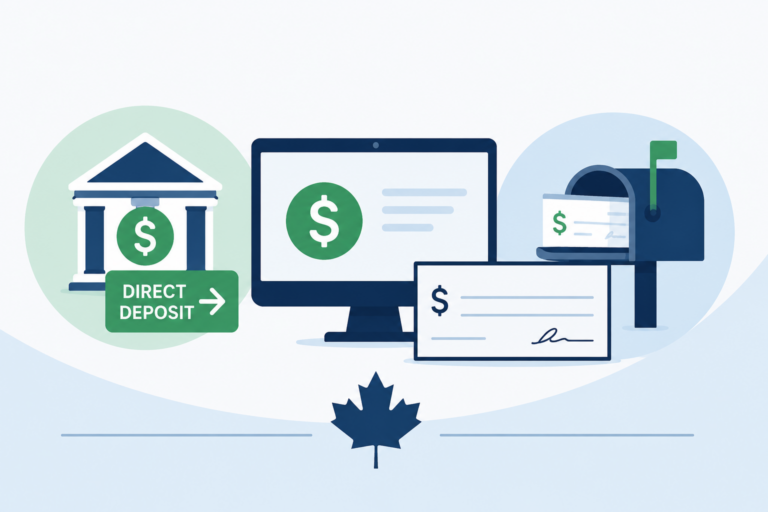
Direct deposit is usually the fastest way to receive EI payments. When applying for EI, Service Canada allows applicants to provide banking information so payments can be deposited directly into their bank account.
According to Canada.ca, EI direct deposit payments are deposited automatically into your bank account after your EI report is processed. Keeping your bank details updated can help prevent avoidable payment delays.
Official EI Resources
Use the official Government of Canada links below to apply for EI, complete reports or check information directly from Service Canada.
Frequently Asked Questions
How often are EI payments made?
Most EI benefits are paid after reports are submitted and processed, and many claimants complete reports every two weeks.
Does EI have fixed payment dates in 2026?
No. EI does not have one fixed national calendar. Payment timing depends on your claim, reports, direct deposit and processing times.
How long does EI approval take?
Processing times vary depending on your application, Records of Employment and whether Service Canada needs additional information.
Can I receive EI by direct deposit?
Yes. Direct deposit is generally the fastest and most convenient way to receive EI payments.
What happens if I miss an EI report?
If you miss a required report, your payment may be delayed. You should complete outstanding reports as soon as possible through the official EI reporting service.
Related Payment Guides
Final Thoughts
Employment Insurance is different from many other Canadian government payments because it does not follow one fixed calendar. To avoid delays, submit reports on time, keep your information updated and use official Service Canada resources to check your claim.