Canada Benefit Income Limits Explained: Eligibility Rules and Thresholds
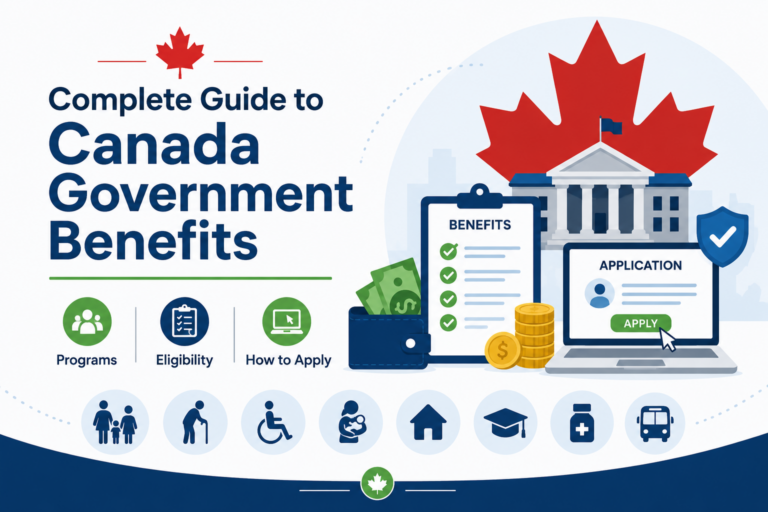
Many Canadian government benefits use income information to determine eligibility and payment amounts. Understanding how income limits work can help you know which programs you may qualify for and how changes in your income may affect your benefits.
Income limits are different for every program. Some benefits use individual income, while others use family income, adjusted net income or other financial information.
What Are Income Limits for Government Benefits?
Income limits are thresholds used by government programs to determine who qualifies for financial support and how much assistance they may receive.
Some benefits are available only below certain income levels, while others gradually decrease as income increases.
| Income Rule | Meaning |
|---|---|
| Maximum income limit | You may not qualify if your income is above the threshold. |
| Income reduction range | Payments may decrease as income increases. |
| No income test | Eligibility is based on other factors. |
Why Do Canadian Benefits Have Income Limits?
Income limits help governments direct financial support toward people and families who need assistance the most.
Many Canadian benefits are designed as targeted programs, meaning payment amounts are adjusted based on financial circumstances.
| Reason | Explanation |
|---|---|
| Support lower-income households | Programs can provide more assistance where financial need is greater. |
| Calculate fair payments | Income information helps determine benefit amounts. |
| Manage government programs | Eligibility rules help organize available funding. |
How Income Is Calculated for Canadian Benefits
Different government programs use different income calculations. This is one of the most important points to understand because your regular salary is not always the only factor considered.
| Income Type | Used By Some Programs |
|---|---|
| Individual income | Programs based on personal financial situation. |
| Family income | Programs supporting households and children. |
| Adjusted family net income | Common for CRA-administered benefits. |
| Taxable income | Used for certain tax calculations. |
Benefits Commonly Affected by Income Limits
Many major Canadian benefit programs use income thresholds. The rules are different for each program, so it is important to check the specific requirements.
| Benefit | Income Considered |
|---|---|
| Canada Child Benefit (CCB) | Adjusted family net income |
| GST/HST Credit | Family income |
| Guaranteed Income Supplement (GIS) | Income of the senior and spouse/common-law partner |
| Canada Workers Benefit (CWB) | Individual or family income |
Canada Child Benefit (CCB) Income Limits
The Canada Child Benefit (CCB) is one of the main Canadian programs where income directly affects payment amounts. The CRA uses adjusted family net income to determine eligibility and calculate how much a family may receive.
As family income increases, the CCB amount may gradually decrease. Families with lower incomes generally receive higher payments if they meet all other eligibility requirements.
| Factor | How It Affects CCB |
|---|---|
| Family income | Determines the payment amount. |
| Number of children | Affects the maximum benefit available. |
| Child age | May affect benefit calculations. |
| Family situation | Can influence eligibility and payment amounts. |
GST/HST Credit Income Limits
The GST/HST Credit is a tax-free payment designed to help eligible individuals and families with modest incomes. Eligibility and payment amounts depend mainly on family income and personal circumstances.
| Factor | Impact |
|---|---|
| Lower family income | May qualify for higher payments. |
| Higher family income | Payments may decrease or stop. |
| Family size | Can affect available amounts. |
Guaranteed Income Supplement (GIS) Income Limits
The Guaranteed Income Supplement (GIS) is an income-tested benefit for eligible low-income seniors who receive Old Age Security (OAS).
Because GIS is designed to support seniors with lower incomes, income levels are a key factor when determining eligibility and payment amounts.
| Factor | Why It Matters |
|---|---|
| Annual income | Determines eligibility for GIS support. |
| Marital status | Different income rules may apply. |
| CPP and other income | May affect GIS calculations. |
Canada Workers Benefit (CWB) Income Limits
The Canada Workers Benefit (CWB) is a refundable tax credit designed to support eligible low-income workers. Income limits determine whether you qualify and how much support you may receive.
| Factor | Effect on CWB |
|---|---|
| Employment income | Required for eligibility in most cases. |
| Income level | Affects payment amount. |
| Family situation | May change available benefits. |
Old Age Security (OAS) Income Thresholds
Most seniors who meet the age and residency requirements can receive Old Age Security. However, higher-income seniors may be affected by the OAS recovery tax.
The OAS recovery tax is different from benefit eligibility limits because it applies when income reaches certain levels.
| Income Situation | Possible Effect |
|---|---|
| Below recovery threshold | Full OAS eligibility may continue. |
| Above recovery threshold | Some OAS repayment may apply. |
| Higher income levels | Greater repayment amounts may apply. |
Do All Government Benefits Have Income Limits?
No. Not every Canadian government benefit uses income limits. Some programs are based on other factors, such as contributions, age, residency, employment history or disability eligibility.
| Benefit Type | Main Eligibility Factor |
|---|---|
| CPP | Contribution history. |
| OAS | Age and residency requirements. |
| EI | Employment history and eligibility rules. |
| DTC | Disability eligibility criteria. |
How Changes in Income Affect Government Benefits
Changes in income can affect the amount of government support you receive. Some benefits are reviewed regularly using information from your tax return, while others may require you to report specific changes.
A change in employment, retirement income, family situation or other financial circumstances may affect your eligibility or payment amounts.
| Income Change | Possible Benefit Impact |
|---|---|
| Starting a new job | Some income-tested benefits may decrease. |
| Losing employment income | Some benefit amounts may increase after reassessment. |
| Retirement | May affect income-tested senior benefits. |
| Change in family income | May affect family-related benefits. |
Do Government Benefits Use Gross Income or Net Income?
The type of income used depends on the specific benefit program. Many CRA-administered benefits use adjusted family net income rather than your gross salary before deductions.
Understanding which income measure a program uses is important because the number shown on your paycheque may not be the same amount used for benefit calculations.
| Income Term | Meaning |
|---|---|
| Gross income | Total income before deductions. |
| Net income | Income after certain deductions. |
| Adjusted family net income | Income measure commonly used for some CRA benefits. |
How Tax Filing Affects Benefit Income Limits
Filing your income tax return every year is important because many Canadian benefits are calculated using tax information provided to the CRA.
Even if you have little or no income, filing taxes may be necessary to continue receiving certain benefits.
| Action | Why It Matters |
|---|---|
| File taxes every year | Allows CRA to calculate many benefits. |
| Report accurate income | Helps prevent incorrect payments. |
| Update family information | Ensures correct benefit calculations. |
| Review CRA notices | Understand changes to payments. |
Can Benefit Payments Stop If Your Income Changes?
Yes. Some benefits may be reduced or stopped if your income increases above the program limits. However, other benefits may continue because they are based on different eligibility factors.
| Situation | Possible Result |
|---|---|
| Income increases significantly | Income-tested benefits may decrease. |
| Income falls | You may qualify for additional support. |
| Income changes slightly | Some benefits may not change immediately. |
How to Check Your Benefit Eligibility
The best way to understand which benefits you may qualify for is to review each program separately. Income limits change depending on the benefit and your personal circumstances.
| Resource | Purpose |
|---|---|
| CRA My Account | Check tax credits and CRA-administered benefits. |
| My Service Canada Account | Review CPP, OAS, EI and related programs. |
| Government Benefits Finder | Explore available federal programs. |
| Provincial websites | Find province-specific benefits and rebates. |
Tips to Avoid Losing Eligible Benefits
Many Canadians miss available support because they do not review their eligibility after changes in their personal or financial situation.
| Tip | Why It Helps |
|---|---|
| Keep tax information updated | Ensures accurate benefit calculations. |
| Review programs regularly | New benefits may become available. |
| Check income thresholds | Understand how changes may affect payments. |
| Keep government accounts active | Receive important updates. |
Related Northbly Guides
- Canada Benefit Payment Calendar: Government Payment Dates and Schedules
- Which Canada Benefits Can You Receive Together?
- Canada Workers Benefit (CWB) Eligibility Guide
- Canada Child Benefit (CCB) Guide
- OAS Eligibility Guide: Requirements and Income Limits
Frequently Asked Questions
What are income limits for Canadian government benefits?
Income limits are thresholds used by government programs to determine whether someone qualifies for financial support and how much they may receive. Each benefit has different income rules and calculations.
Do all Canadian benefits have income limits?
No. Some benefits use income limits, while others are based on factors such as age, employment history, contributions, residency or disability eligibility.
Why does my benefit amount change when my income changes?
Many income-tested benefits are calculated using information from your tax return. If your income changes, your eligibility or payment amount may be adjusted during the next benefit calculation period.
Does my salary determine my benefit eligibility?
Not always. Government programs may use different income calculations, such as individual income, family income or adjusted family net income, depending on the benefit.
What income does the CRA use for benefit calculations?
Many CRA-administered benefits use adjusted family net income from your tax return. The exact calculation depends on the specific program.
Can I receive benefits if I have a job?
Yes. Having employment income does not automatically prevent you from receiving government benefits. Some programs are specifically designed to support working Canadians with lower or moderate incomes.
Can losing my job increase my benefit payments?
It is possible for some income-tested benefits to change after a decrease in income. Programs such as family benefits and certain tax credits may be recalculated based on updated income information.
How often are benefit income limits updated?
Income thresholds and payment calculations can change over time. Government departments may update amounts based on annual adjustments, program changes or new legislation.
Does household income affect government benefits?
Yes. Some programs consider family or household income instead of only individual income. This is common for benefits related to children, families and seniors.
Can CPP affect eligibility for other benefits?
Yes. CPP payments may be considered income for some programs, especially income-tested benefits such as GIS. The effect depends on the specific benefit rules.
Can OAS be affected by income?
Most eligible seniors can receive OAS if they meet the program requirements, but higher-income seniors may be affected by the OAS recovery tax.
Where can I check my benefit eligibility?
You can review benefit information through CRA My Account, My Service Canada Account, Government of Canada benefit tools and provincial government websites.
Official Government Resources
For current information about Canadian benefit eligibility, income thresholds and government programs, consult official resources below.
- Government of Canada Benefits
- Canada Revenue Agency (CRA)
- Benefits Finder
- Employment and Social Development Canada (ESDC)
Official Government Information
Canadian benefit programs use different eligibility rules, income calculations and payment schedules. Income thresholds and program details may change over time. Always verify current information through official Government of Canada resources.
Disclaimer
Northbly publishes independent informational content to help readers better understand Canadian government benefits, income requirements and financial support programs. Although every effort is made to keep this information accurate and updated, government policies and eligibility rules may change.
This article is provided for general informational purposes only and should not be considered financial, tax or legal advice. For questions about your personal benefit situation, contact the appropriate government department.